Exhibitions

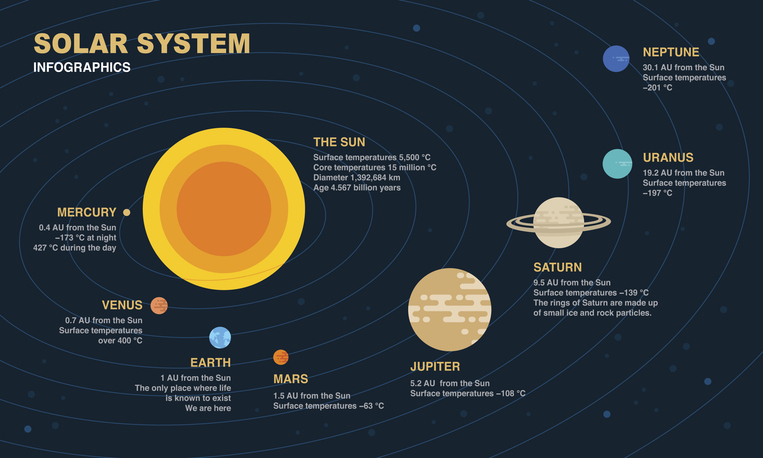
Solar system image.

free entry everyday

Cosmology

Explore the wonders of our cosmos. Our fantastic exhibition, 'The sky above us', explores the night sky and know about the universe around us. We'll locate the various constellations and galaxies that can be seen and learn a bit about the early navigators who used the stars to travel by.

star constellation simulation in the cosmos exhibition.

Follow the journey of our solar exploration: from early Arab traders, to Galileo's telescope, to the latest exploration of the planets in our solar system.

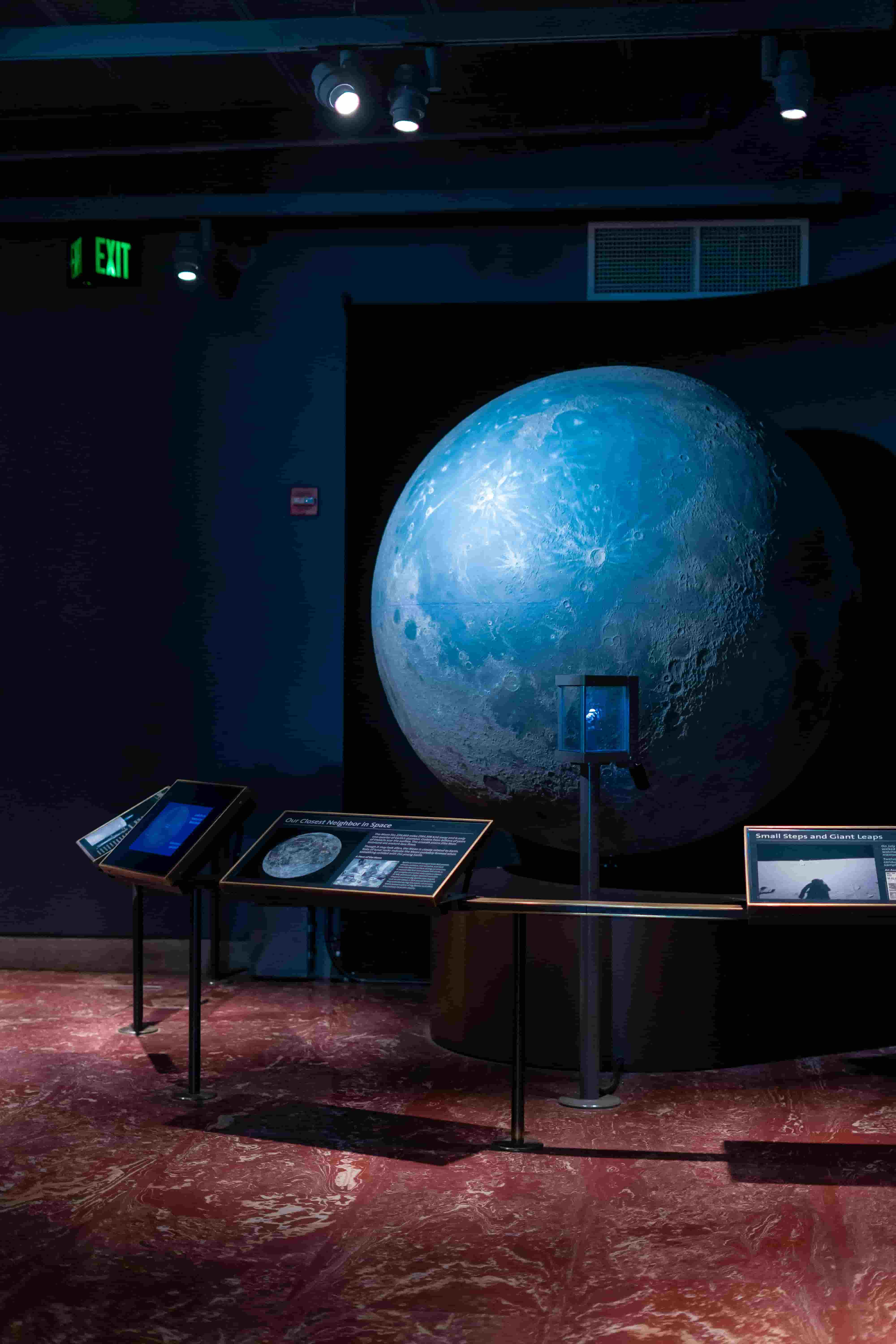
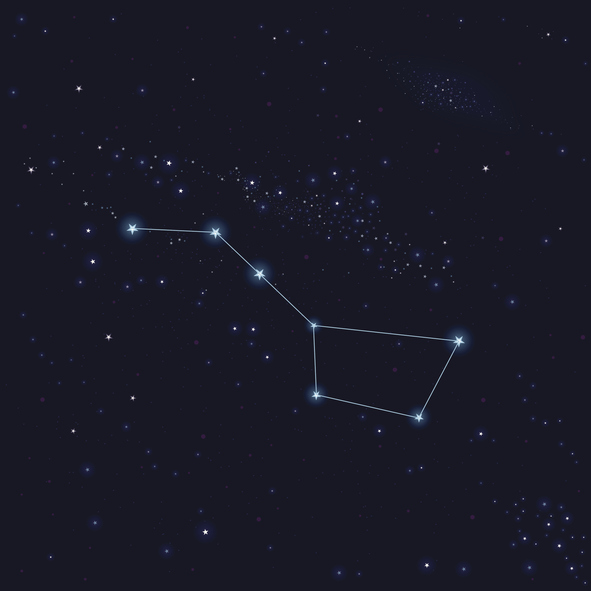
A globe exhibit in the comos exhibition. The Big Dipper is a large asterism consisting of seven bright stars of the constellation Ursa Major, also known as The Great bear.

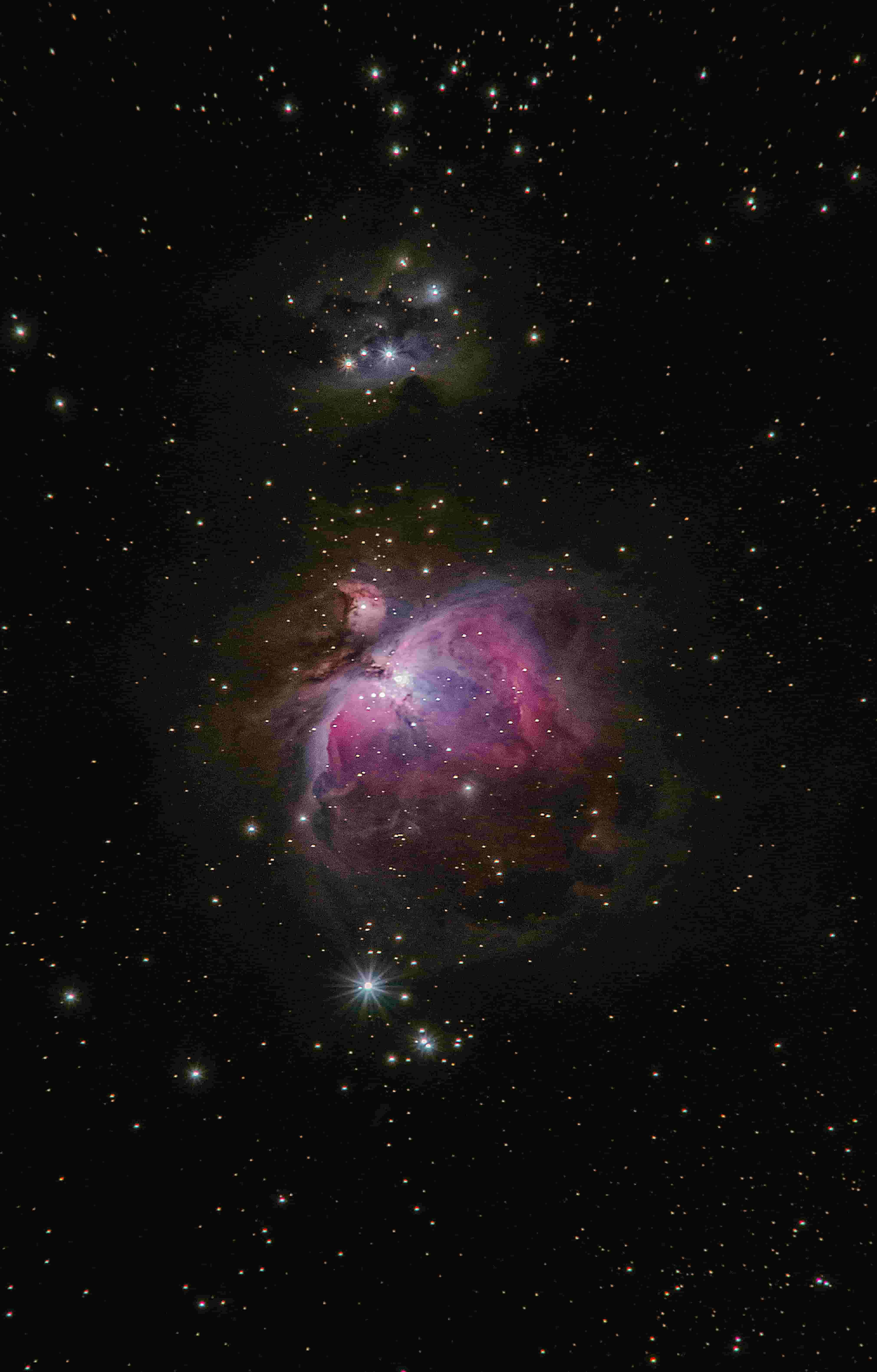
Can you guess which star constellation this is?

a) Orian

b) Big Dipper

c) Hercules

Evolution

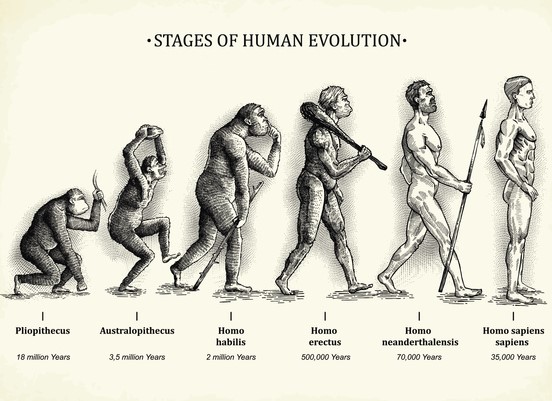
An illustration showing the stages of human evolution from pilopthecus all the way to Homo sapiens.

For centuries, Philosophers ans Scientists have wrestled with the question of our origins. Where do we come from and how did we get here? Since Darwin proposed his theory of Evolution we have had a framework for exploring and understanding our place in this world.
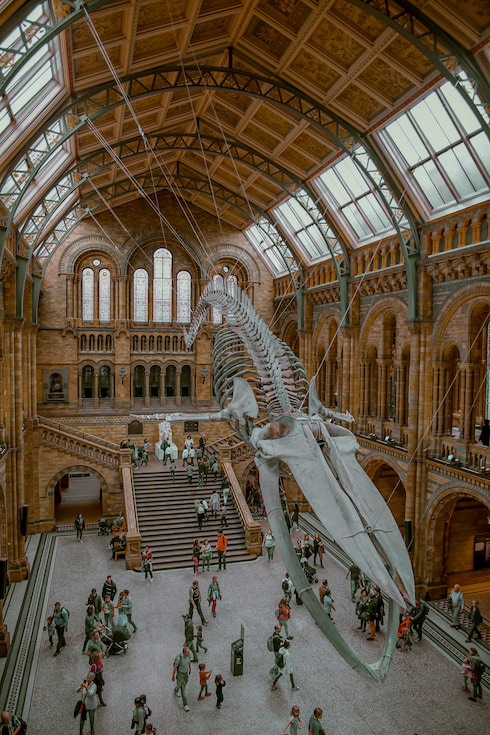
A large dinosaur display at the Community Science Museum.

Discover the origins of life on this planet and how the species we know today have evolved our time. You can also take some time to meet a few of the creatures who didn't survive, including our wooly mammoth, The Dodos and a number of Dinosaurs too.
Biology and Medicine

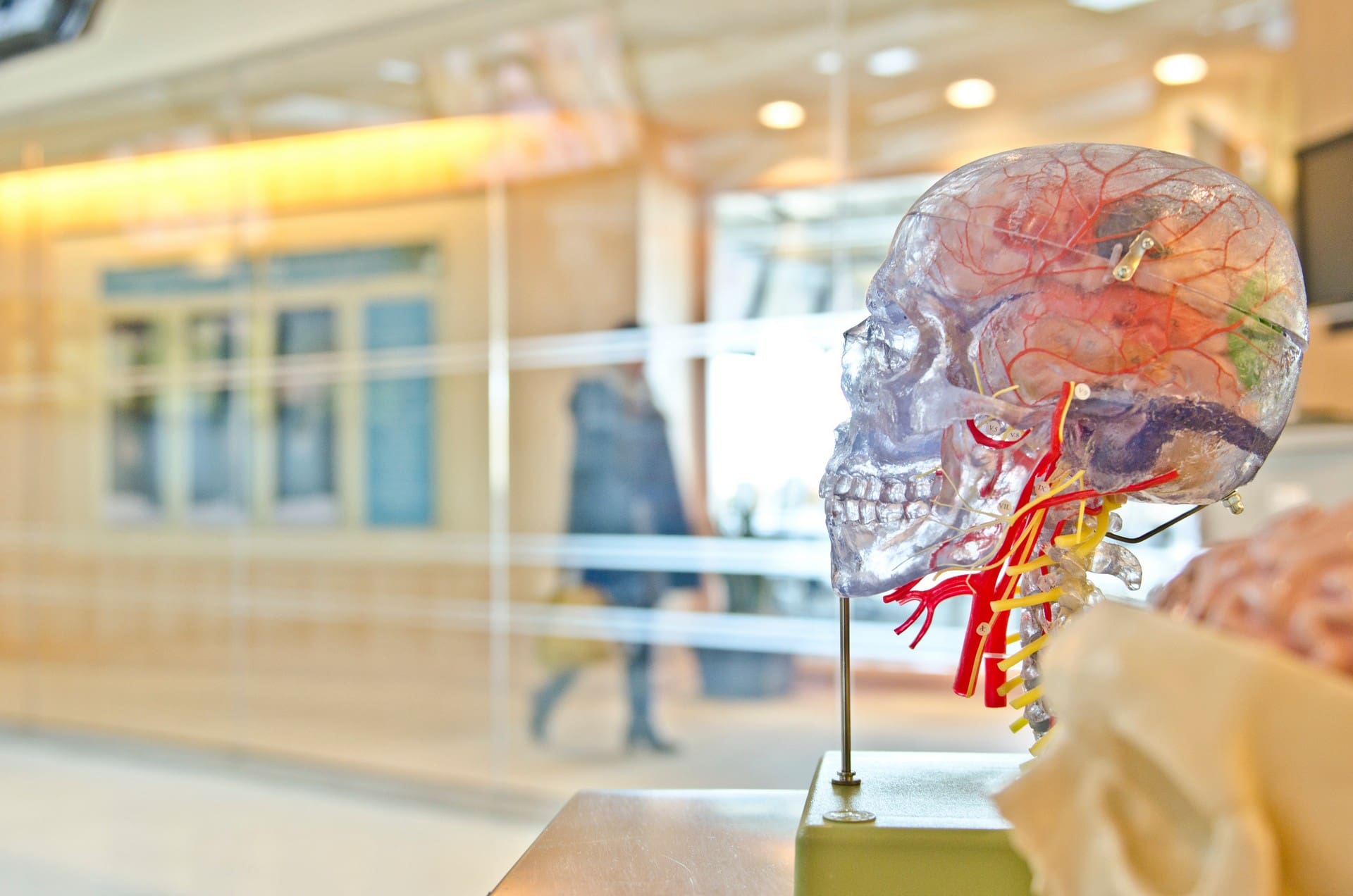
A head model showing the veins and arteries in the human head.

From micro-organisms to the human body, major breakthroughs in biolgy are offering us unique insights into the great wonders of the tiny world.

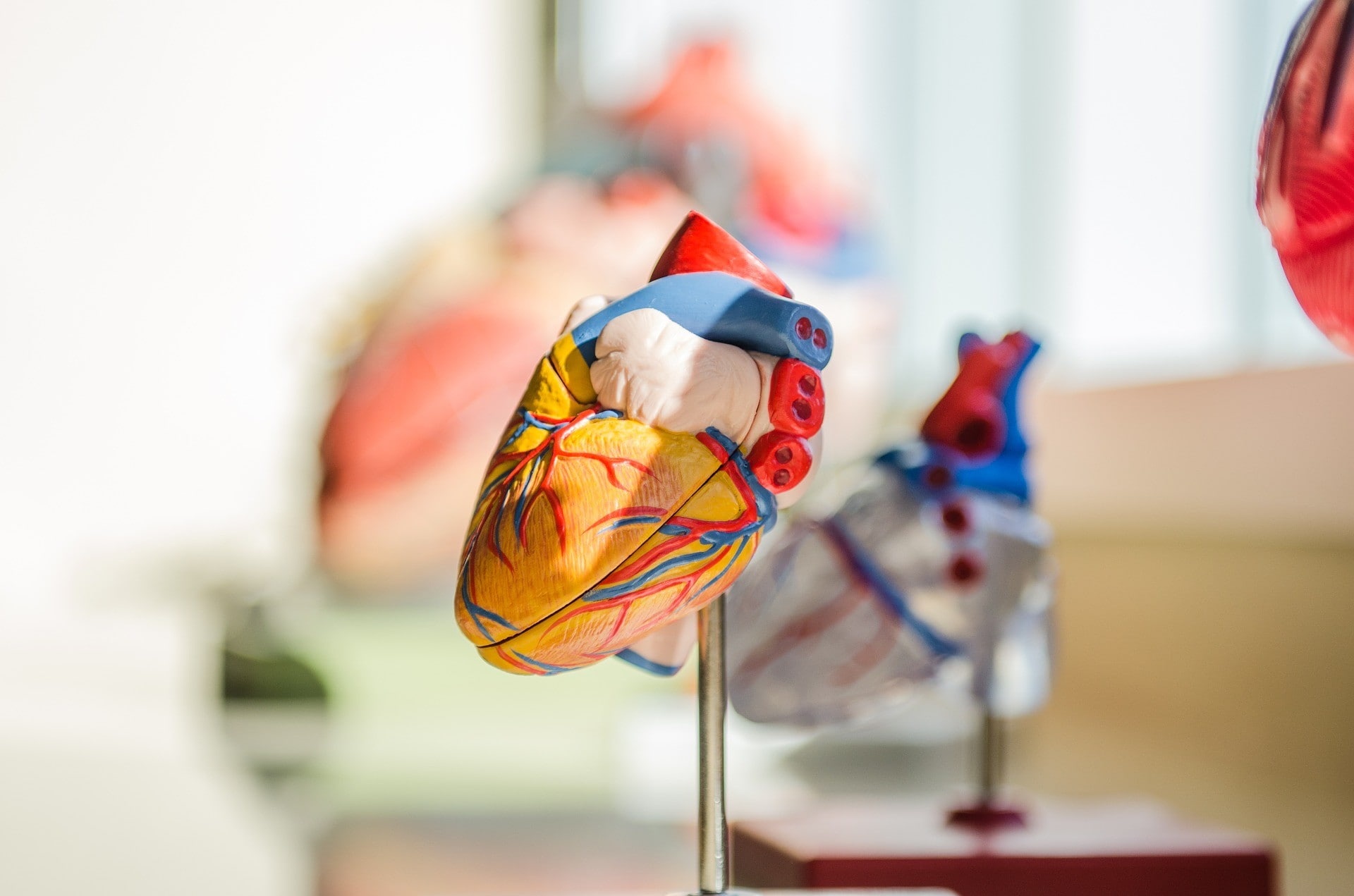
For many people their life expectancy is much longer and their quality of life much improved, thanks to the growth of our understanding of medicine. Over a series of exhibits we explore the history of medicine and take a look at some major breakthroughs including the discovery of penicillin and the first heart transplant.

A model of a human heart construction on display at the Community Science Museum.

Many of our great medicinal discoveries have come not only from the lab, but also from observing animals in the wild. Often our fellow creatures have beat us to it.

Robotics and AI

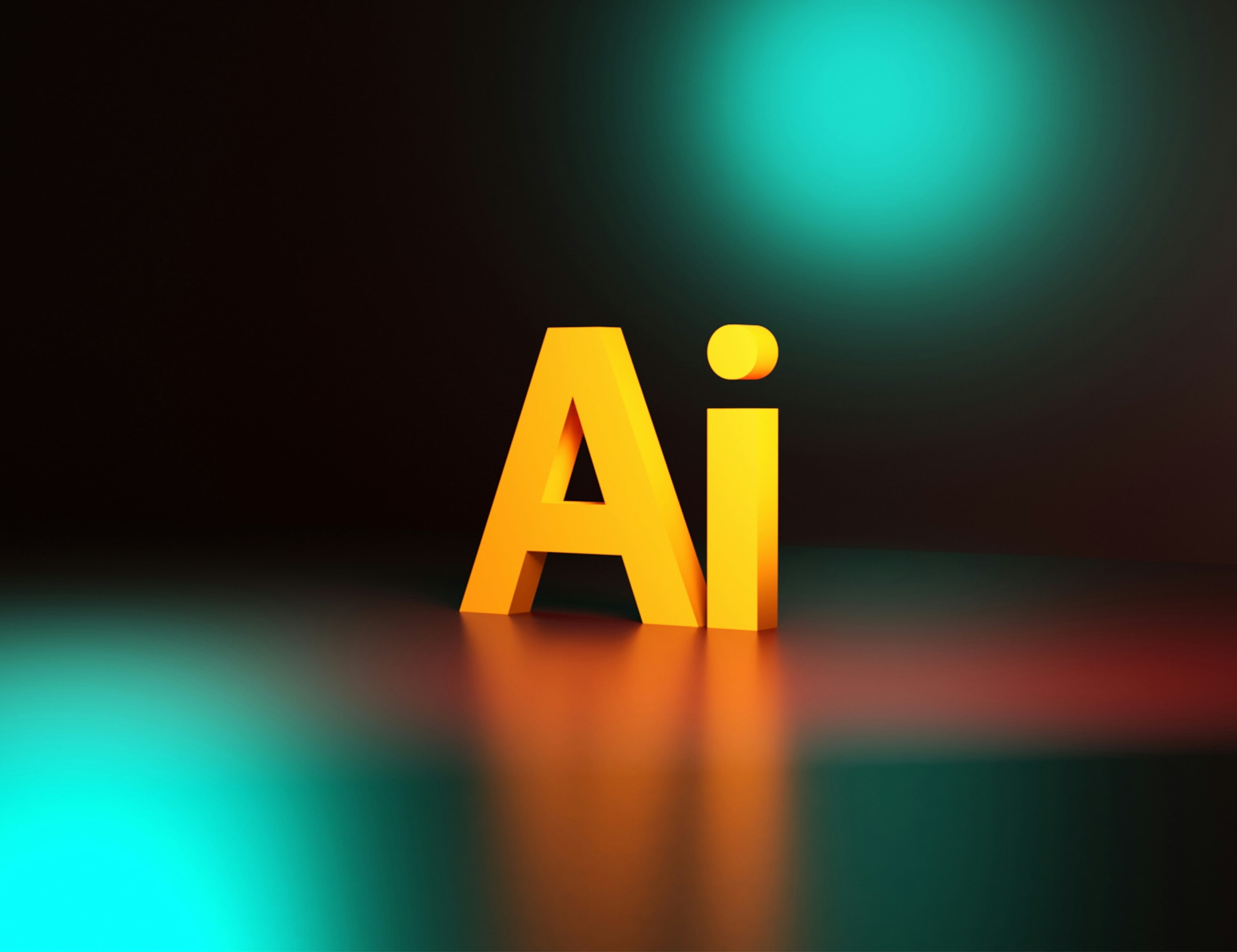
The letters AI in orange writing against a dark background. (Refering to Artificial Intelligence).

The information revolution is here and robotics and artificial intelligence are the science of the future.

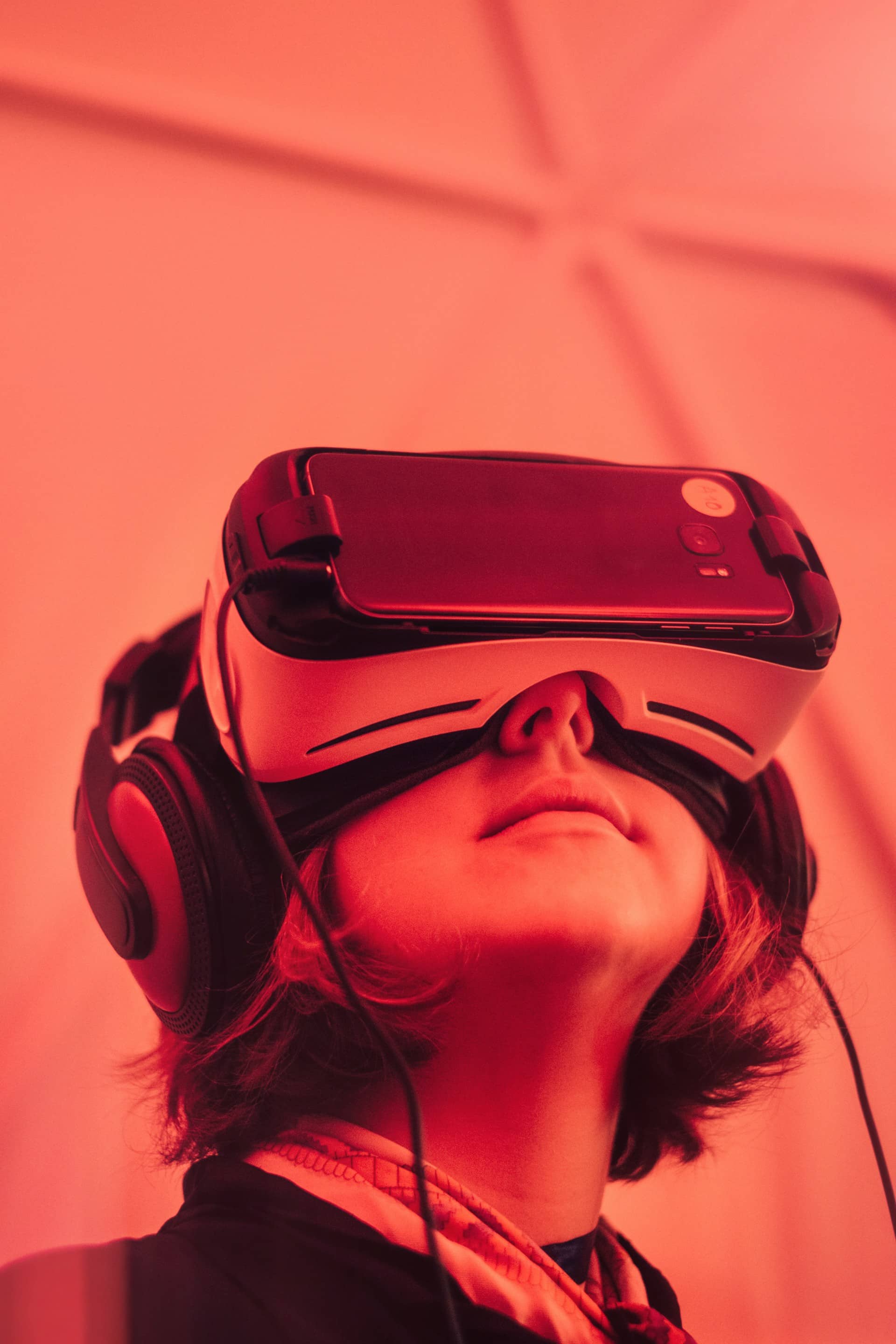
A child trying one of the virtual reality headsets at the museum.

From useful home applications of AI to industrial uses of robotics, the future is here.

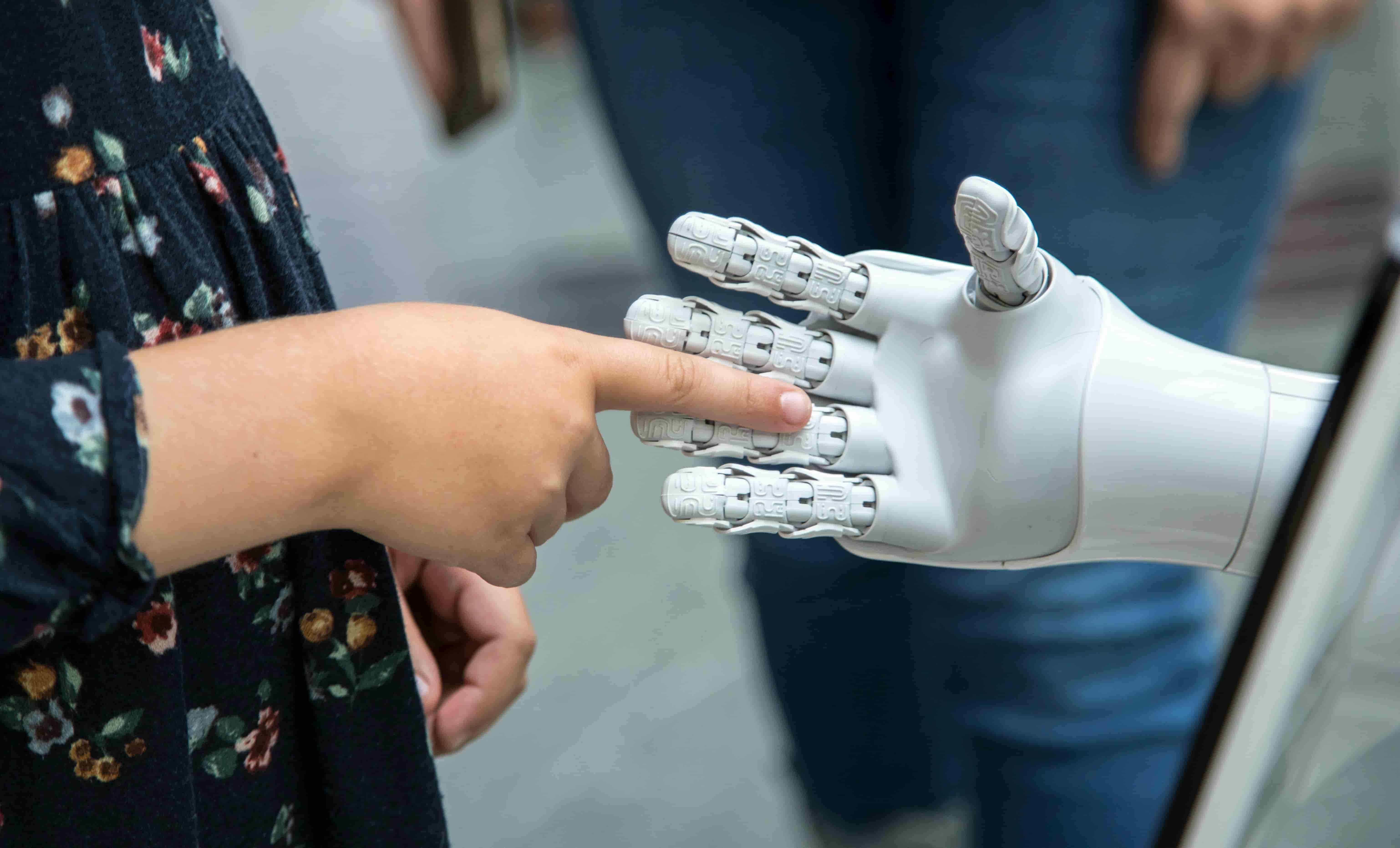
You can even say hello and shake the hand of Rob the robot.

A close up view of a childs hand shaking Rob the robots hand.

Ecology

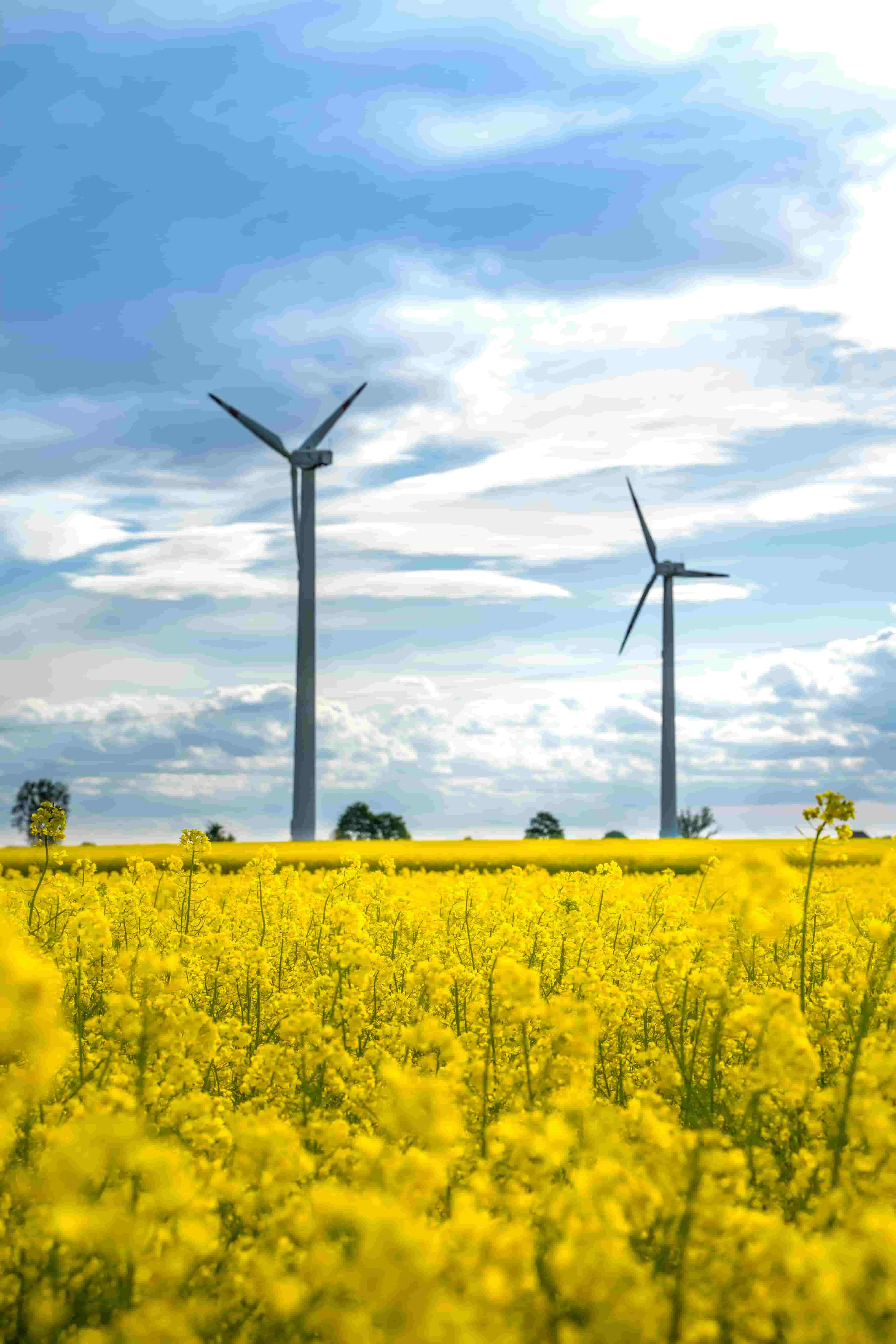
Two wind turbines in a field of rape flowers

As we learn more of the impact humans are having on the planet, the more important it becomes that scientists explore how to create a sustainable future not just for humans but for the whole planet.

A hand holding the 'world' which is in half, the top of the world has solar panels, wind turbines, buildings and trees.

In our ecology section of the museum, we unpack the dangers we currently face including global warming, extinction of species, and pollution.

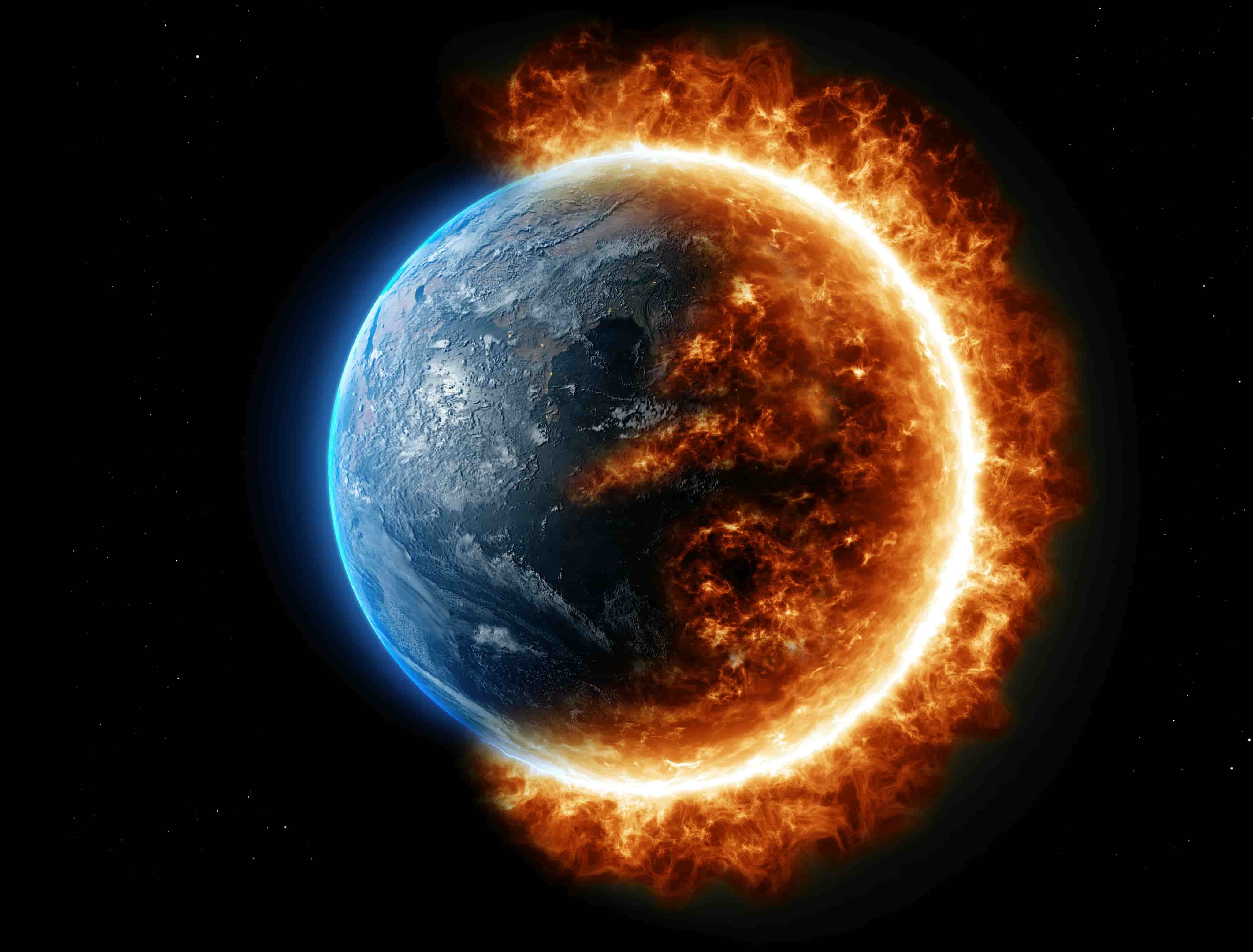
The world shown from space with half of it on fire, depicting the effects of global warming.